Post on All Platforms at Once: A Practical System for Instagram, LinkedIn, TikTok, and YouTube
Learn how to publish the same content simultaneously across Instagram, LinkedIn, TikTok, and YouTube with a reliable workflow that protects quality and saves time.
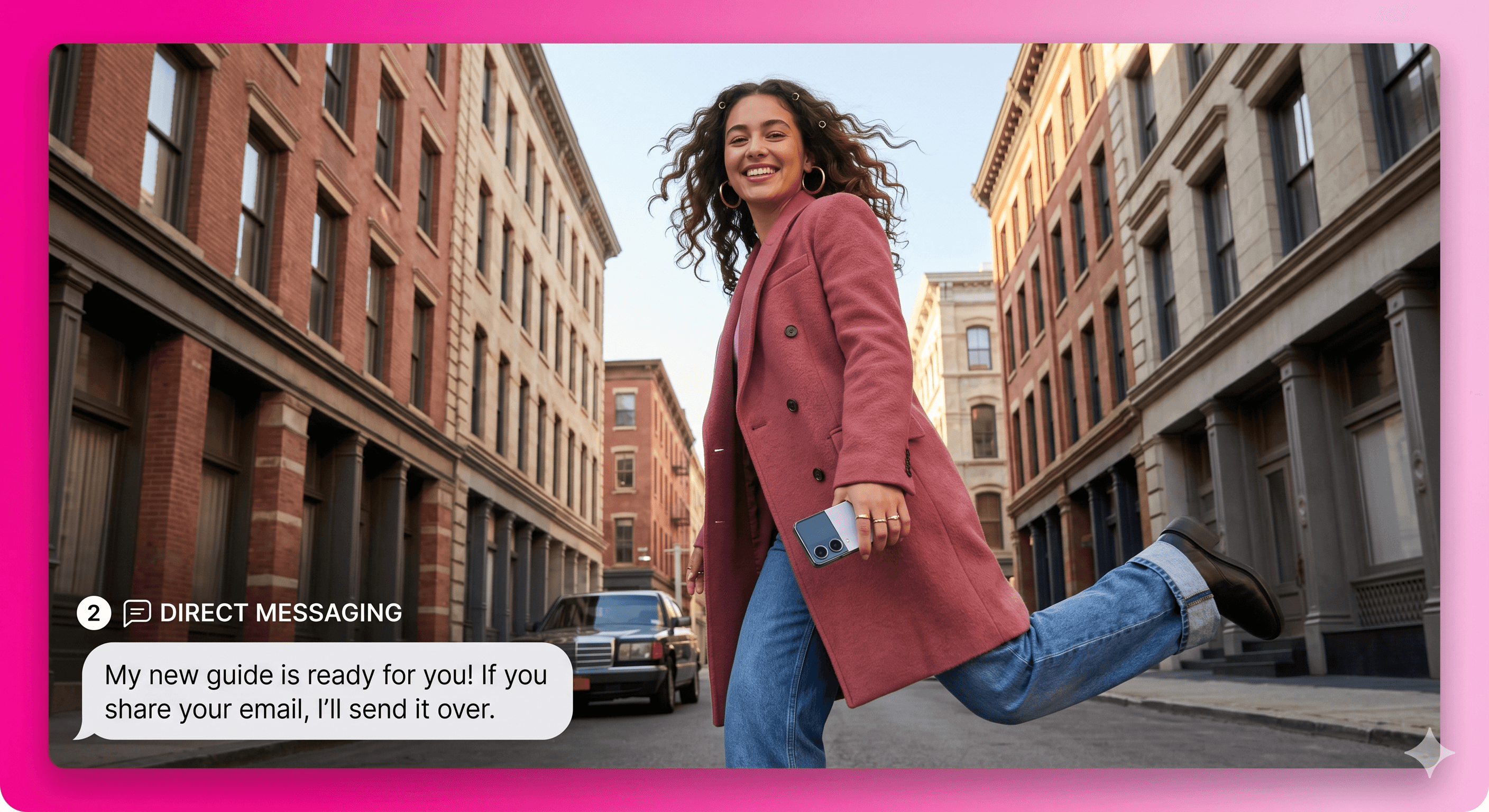
Most teams do not lose reach because they lack ideas. They lose reach because publishing the same campaign across four networks turns into four separate projects. One teammate exports a vertical video, another rewrites the copy for LinkedIn, someone forgets thumbnails for YouTube, and launch timing slips by a full day. By the time all channels are live, momentum has already split.
A better approach is a synchronized launch model where one content package is prepared once, quality-checked once, and published at the same moment. Using the DM IQ scheduler, you can queue Instagram, LinkedIn, TikTok, and YouTube together while still honoring each channel's formatting needs. This guide gives you the operational blueprint, plus when to use this method versus the staggered approach covered in same-time-vs-staggered-posting.
Why synchronized publishing creates more signal
When the same message appears across your audience's primary platforms within minutes, your campaign feels intentional rather than accidental. Buyers who discover your launch on LinkedIn can instantly verify it on Instagram and YouTube, which reinforces trust and reduces hesitation. Instead of fragmented impressions, you create a coordinated brand moment.
The second advantage is internal: synchronized launches force your team to centralize assets early. That discipline improves quality. You stop editing captions in five places at the last second and start using a controlled checklist. If you need the tactical prep sequence, pair this post with launch-day-multichannel-checklist so your team has both strategy and execution.
- Faster trust loop: audiences see the same offer everywhere at once.
- Higher campaign clarity: one CTA, one launch window, one narrative.
- Cleaner operations: fewer duplicate edits and fewer forgotten tasks.
Build a channel-ready master package before scheduling
A synchronized launch fails when the package is incomplete. Your master package should include: final video files by aspect ratio, first-comment variants, caption versions by platform, hashtag sets, thumbnail options, link destinations, and UTM conventions. Everything should be version-controlled in one workspace so reviewers know what is final.
Within the DM IQ scheduler, map these assets to each destination channel in one publishing session. The goal is not to force one identical file into every network. The goal is to keep the message identical while delivering a technically native post per network. That is the difference between strategic consistency and lazy duplication.
- Use one canonical campaign brief for all four channels.
- Separate message consistency from media-format requirements.
- Lock CTA wording early to avoid conversion leakage.
Choose a launch window and protect it
Same-time posting means little if your team keeps moving the publish time. Pick a precise window based on overlap in audience activity, then freeze it. Most teams benefit from a thirty-minute launch window where all posts must move from scheduled to confirmed. This creates a shared operational heartbeat.
In DM IQ scheduler, set every platform to the same target timestamp and assign a pre-launch checkpoint for approvals. If a blocker appears, either delay all channels together or publish all channels together with a rollback note. Partial launches are where most campaign confusion begins, especially for teams trying to execute a one-upload-four-channels-workflow.
Measure the campaign as one event, not four isolated posts
After publishing, track the first 24 hours as a unified launch event. Watch cross-platform traffic paths, comment overlap, profile visits, and assisted conversions. Many teams incorrectly compare single-platform metrics and miss the compounding effect where one network drives action on another network hours later.
Use a simple reporting rhythm: 1-hour check for technical health, 6-hour check for engagement shape, and 24-hour check for conversion quality. This gives you a true picture of whether synchronized publishing helped. For campaign-level planning over multiple releases, connect this framework with cross-platform-launch-campaigns.
- Audit technical delivery first, then engagement, then conversion.
- Track assisted impact between platforms, not just last-click wins.
- Document lessons immediately for the next synchronized launch.
Key takeaways
- 01Synchronized publishing works when your campaign package is complete before scheduling.
- 02DM IQ scheduler helps launch Instagram, LinkedIn, TikTok, and YouTube as one coordinated event.
- 03Treat launch measurement as a cross-platform system, not four disconnected dashboards.
Frequently asked questions
Should the content be completely identical on every platform?
Keep the core message and CTA identical, but adapt technical format and surface-level framing for each channel. Identical strategy does not require identical packaging.
When should I avoid posting all platforms at once?
If your audience behavior differs dramatically by region or if your team cannot guarantee quality across all channels at launch time. In that case, use the framework in same-time-vs-staggered-posting.
Put this into practice with DM IQ.
Turn comments, story replies, and DMs into automated lead-capture flows with database-ready records — no code required.
Start free →Keep reading
 Multichannel Scheduling
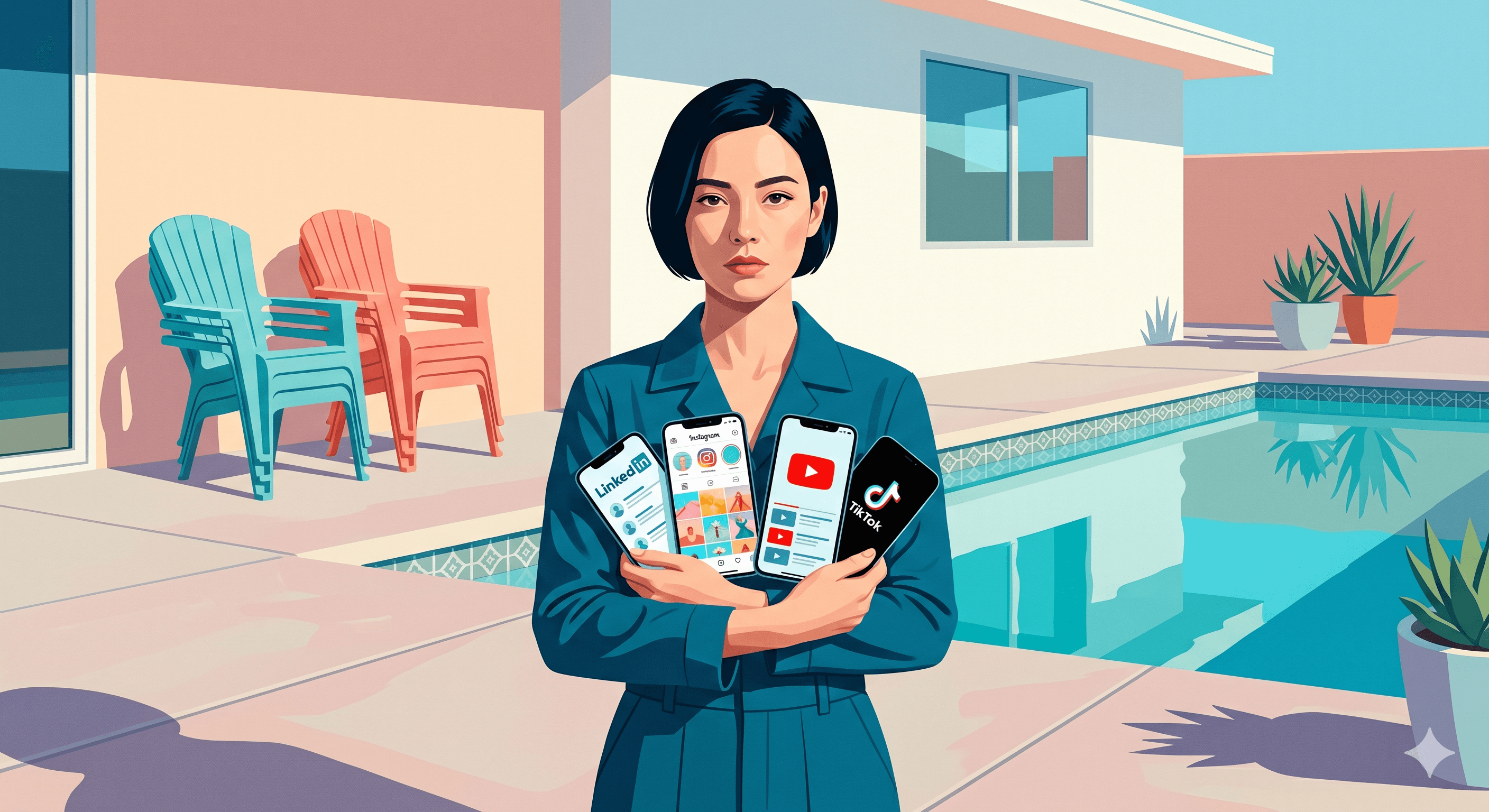
Juggling Multiple Social Platforms Without Dropping Your Best Content
If your week disappears into posting tasks, your system is broken, not your effort.
 Multichannel Scheduling
Missed Posting Windows in Multichannel Teams Are a Workflow Signal
If your team keeps posting late, your process needs redesign before your calendar does.
 Multichannel Scheduling
Launch-Day Multichannel Checklist: A Zero-Guess Process for Same-Time Posting
Turn launch day into a repeatable system, not a scramble.