Content Calendar Systems That Work for Creators and Brands
Build one scheduling system that serves both creator-style speed and brand-level consistency across channels without sacrificing quality or sanity.
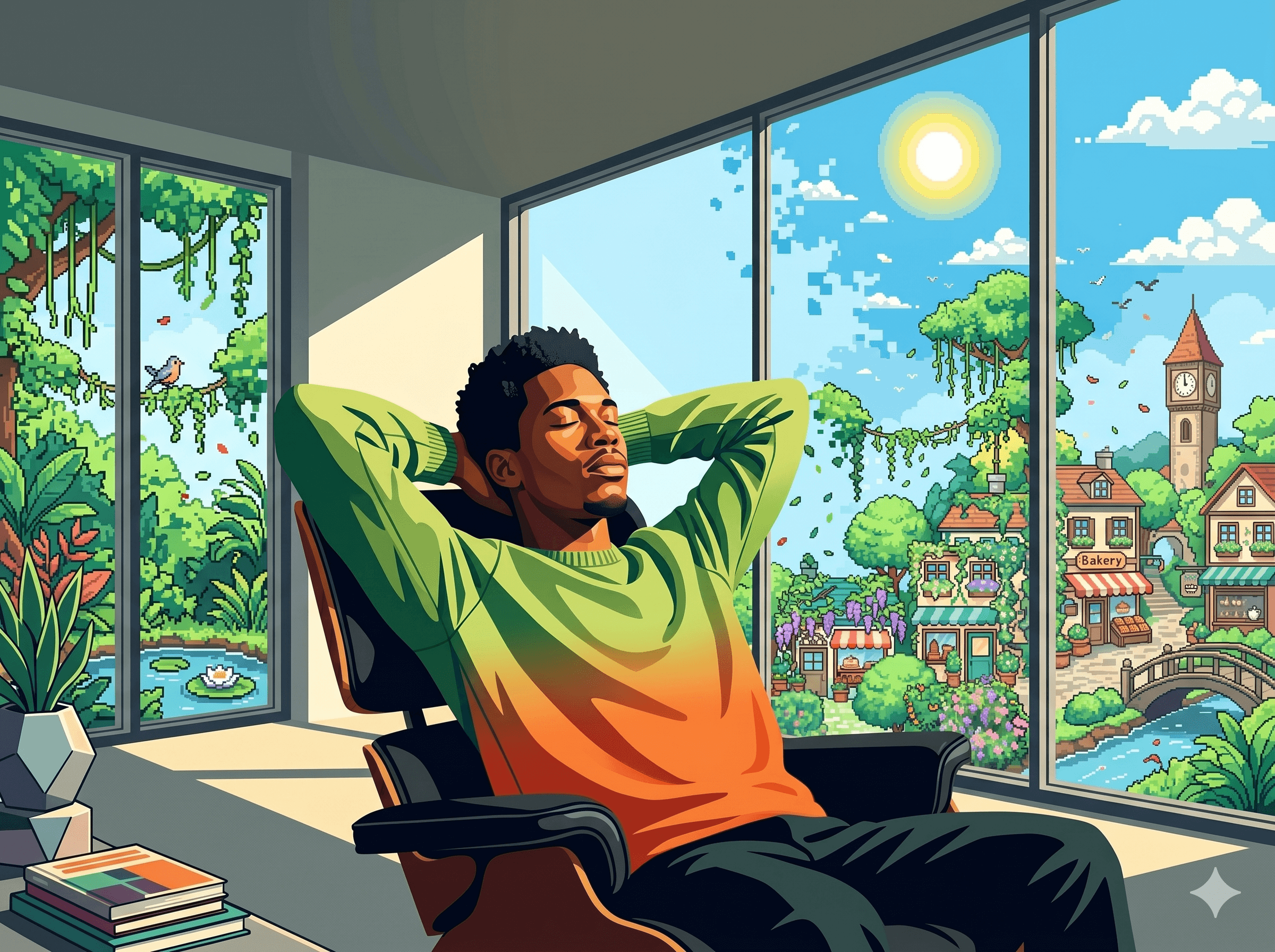
Creators and brands often assume they need different planning systems. Creators prioritize speed and experimentation, while brands prioritize consistency and governance. In reality, both need the same foundation: clear themes, predictable cadence, and flexible scheduling that adapts to performance signals. The difference is not structure versus freedom; it is how tightly each team configures that structure.
A modern multichannel scheduler lets both models coexist. With DM IQ, you can run agile content tests while keeping long-range campaign alignment intact. If your team wants a deeper quarterly framework, continue with [planning quarter-by-quarter](/blog/plan-quarters-multichannel-scheduler) after implementing this calendar baseline.
Start with shared goals, not shared formats
The biggest mistake in mixed creator-brand teams is forcing one content format across all channels. Instead, align on outcomes first: awareness growth, qualified traffic, conversions, retention, or community depth. Once goals are clear, each channel can use formats that fit platform behavior while still contributing to the same strategy.
A calendar should map these outcomes to recurring content pillars. For example, one pillar might educate, another build trust, and another convert. Creators can express each pillar in fast, trend-aware formats while brand teams maintain messaging clarity and legal compliance.
This approach keeps speed without losing consistency because everyone operates from one strategic map.
Design a cadence model that survives busy months
Most teams overcommit cadence during planning and underdeliver during execution. A durable calendar uses baseline cadence plus surge cadence. Baseline is the minimum consistent output you can maintain year-round. Surge cadence applies during launches or seasonal peaks when extra capacity is allocated.
Use your scheduler to pre-load baseline content several weeks ahead. Then add surge content in campaign windows. This avoids calendar collapse when unexpected requests appear. It also makes performance analysis cleaner because you can separate baseline outcomes from campaign spikes.
Teams that adopt this model report less firefighting and better morale because workload expectations become predictable.
- Baseline cadence: non-negotiable weekly publishing floor.
- Surge cadence: temporary increase for launches and promotions.
- Recovery windows: lighter weeks to preserve quality and energy.
Build one source of truth for approvals and assets
Calendar failure often comes from fragmented operations, not weak ideas. Drafts live in one doc, assets in another tool, approvals in chat, and final posting in native apps. Every handoff introduces delay and confusion. A scheduler-centric workflow reduces this by tying drafts, timing, and publication status together.
DM IQ helps teams maintain one queue with channel variants so creators and brand stakeholders can review the same campaign from different perspectives. This cuts duplicate meetings and makes approval standards explicit.
For teams comparing tool stacks, [creator scheduling tool comparisons](/blog/social-scheduling-tools-creator-comparison) can clarify where unified workflows outperform disconnected point tools.
Keep experimentation disciplined, not random
Creators win by testing quickly. Brands win by learning systematically. You can do both if experiments are planned as calendar objects, not ad hoc ideas. Define test hypotheses, assign time windows, and tag experimental posts so results are traceable.
When experiments are embedded in a multichannel schedule, successful formats can be promoted into recurring content pillars. Unsuccessful ones can be retired without creating strategic noise. This creates a learning loop that improves over months, not just weeks.
That is the core benefit of a mature content calendar: it turns publishing from a daily chore into a long-term operating system.
Key takeaways
- 01Creators and brands can share one calendar by aligning on goals, not formats.
- 02Baseline-plus-surge cadence models improve consistency and reduce burnout risk.
- 03DM IQ centralizes queue, approvals, and channel variants for cleaner execution.
Frequently asked questions
How many content pillars should we start with?
Three to five pillars is a practical range for most teams. Fewer can feel repetitive, and more can dilute focus and operational clarity.
Can creators keep spontaneity with a calendar system?
Yes. Reserve flexible slots each week for reactive content while keeping core cadence and campaign posts pre-scheduled.
What is the fastest way to improve a broken calendar?
Simplify cadence, centralize approvals, and move to a single multichannel queue. Complexity usually drops faster than expected once operations are unified.
Put this into practice with DM IQ.
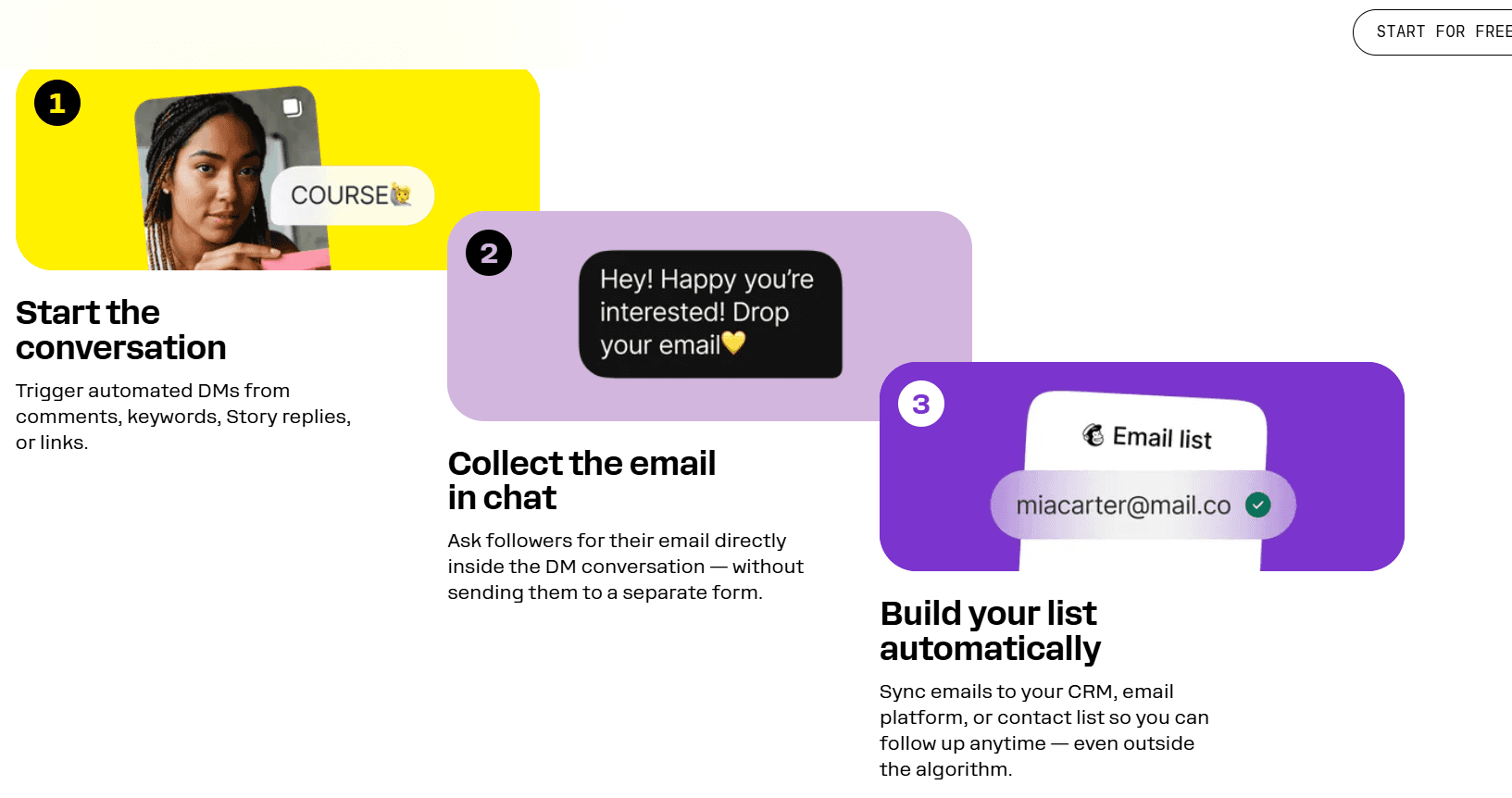
Turn comments, story replies, and DMs into automated lead-capture flows with database-ready records — no code required.
Start free →Keep reading
 Multichannel Scheduling
Social Scheduling Tools for Creators: What to Compare Before You Commit
Creators should compare operating fit, not feature checklists, when choosing a scheduler.
Multichannel SchedulingMissed Posting Windows in Multichannel Teams Are a Workflow Signal
If your team keeps posting late, your process needs redesign before your calendar does.
 Multichannel Scheduling
How to Batch Schedule a Full Month of Content Without Burning Out
Use one focused planning day to fill your next 30 days across every channel.