Social Scheduling Tools for Creators: What to Compare Before You Commit
Compare social scheduling tools through a creator lens: multichannel support, workflow speed, queue reliability, and long-term planning fit for sustainable growth.

Tool comparisons often focus on isolated features: number of connected accounts, UI polish, or post previews. Those details matter, but creators usually outgrow tools because operational fit is wrong. The real question is whether the scheduler supports your publishing model as you scale from solo creator to team-assisted brand.
DM IQ stands out for creators who need multichannel coordination and long-horizon planning without sacrificing speed. If your goal is dependable output over months, not just this week, evaluate tools against your future workflow, not your current habit.
Criterion 1: multichannel coordination without copy-paste work
Many tools support multiple channels technically but still force manual duplication during campaign setup. That creates hidden workload and inconsistent messaging. Look for systems that let you plan one campaign timeline and adapt content per platform from a shared context.
Creators often publish across short-form video platforms, image-first channels, and professional networks. Each needs different creative treatment. A strong scheduler should preserve those differences while reducing repetitive setup work.
DM IQ's multichannel approach helps creators maintain strategic alignment without flattening platform nuance.
Criterion 2: queue reliability and publishing confidence
A scheduler is only valuable if you trust it. Evaluate reliability signals: clear queue visibility, publish status transparency, failure alerts, and predictable retry handling. Missed posts are costly for momentum and audience trust, especially during campaign windows.
Also check how well the tool supports evergreen queues. Creators who rely only on ad hoc posting tend to disappear during busy weeks. Evergreen buffers maintain consistency and reduce stress.
To design this well, use [queue planning principles](/blog/never-miss-a-post-content-queue) alongside your tool evaluation.
- Can you see queue depth by channel at a glance?
- Are publication failures visible immediately?
- Can evergreen and campaign queues coexist cleanly?
- Does scheduling reduce, not increase, context switching?
Criterion 3: long-horizon planning support
Most creators start with week-by-week scheduling. Growth demands a longer horizon. Product launches, collaborations, and seasonal themes require planning quarters ahead. Tools that only support short-term queueing force creators back into spreadsheets when stakes increase.
DM IQ's two-year scheduling window is useful here. You can map strategic arcs early, then refine execution as data arrives. This keeps your content engine stable even as goals evolve.
For a practical framework, review [long-horizon planning](/blog/long-horizon-social-media-planning) and test whether your chosen tool supports that cadence.
Criterion 4: creator energy and burnout resistance
The best scheduler protects your energy, not just your calendar. Evaluate setup friction, batch-edit speed, approval simplicity, and daily maintenance load. If a tool saves time on posting but adds complexity elsewhere, it will fail adoption.
Creators should ask: can I plan calmly, publish consistently, and still have time to create better content? A sustainable tool should make this easier each month. That is the ultimate comparison metric.
Choosing a scheduler is choosing an operating system for your creative business. Prioritize the one that helps you stay consistent without living in constant urgency.
Key takeaways
- 01Compare scheduling tools by workflow fit, not superficial feature counts.
- 02Reliability, queue design, and horizon planning determine long-term creator success.
- 03DM IQ supports creators who need scalable multichannel operations with lower stress.
Frequently asked questions
Should creators switch tools as they grow?
Switching is common when early tools cannot support team workflows or multichannel planning. Choosing a scalable scheduler early reduces migration pain later.
Is a two-year scheduler excessive for creators?
Not if used correctly. You do not lock every post for two years; you map long-range themes and campaign arcs while keeping near-term execution flexible.
What is the most important metric in tool evaluation?
Operational consistency. If a tool helps you publish reliably with less stress, it is likely the right fit.
Put this into practice with DM IQ.
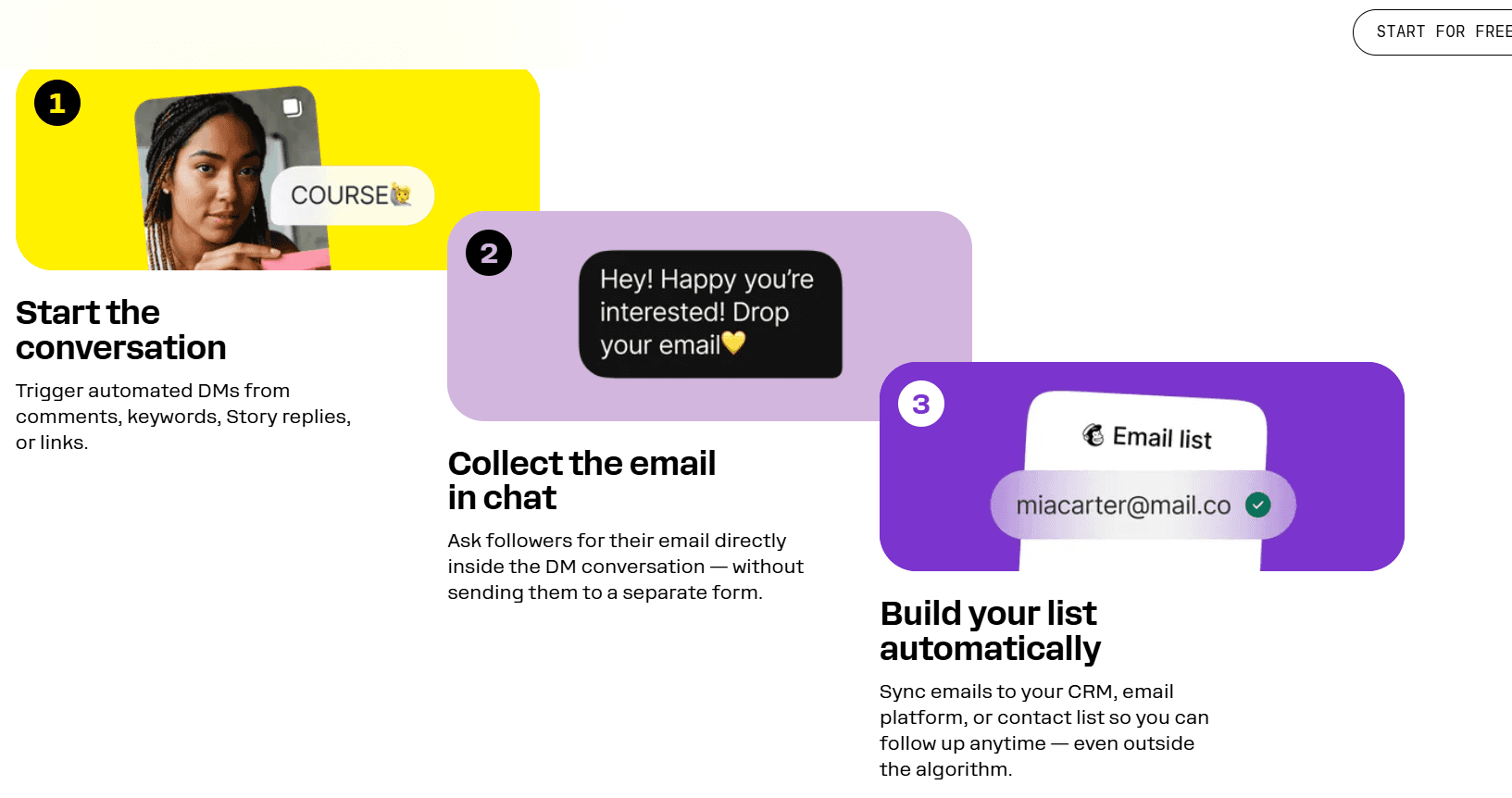
Turn comments, story replies, and DMs into automated lead-capture flows with database-ready records — no code required.
Start free →Keep reading
 Multichannel Scheduling
Content Calendar Systems That Work for Creators and Brands
The best calendar balances creator agility with brand discipline in one shared workflow.
 Multichannel Scheduling
How to Batch Schedule a Full Month of Content Without Burning Out
Use one focused planning day to fill your next 30 days across every channel.
OperationsThe Multichannel Content Repurposing Workflow Teams Can Run Every Week
Operationalize repurposing with a weekly workflow your whole team can follow.