How Context Switching Quietly Kills Content Output
Content output drops when teams constantly change tasks and platforms. Learn why fragmented attention hurts velocity and how to rebuild focused production.

When content volume drops, teams often blame creativity. In many cases, the real problem is fragmented attention. You cannot produce high-quality output when your day is split into dozens of tiny task fragments across channels, assets, and approvals.
Output requires momentum, and momentum needs uninterrupted blocks. As seen in `hidden-cost-switching-social-apps`, even short interruptions compound into meaningful production loss. The fix is not forcing people to move faster. It is reducing task fragmentation at the system level.
The production tax of fragmented work blocks
Every switch between writing, editing, uploading, and scheduling has a re-entry cost. Teams must reload context before making quality decisions, which slows output and increases mental fatigue. Over a week, this can remove hours of usable deep work from your calendar.
The result is predictable: fewer completed drafts, delayed approvals, and weaker testing cadence. Teams spend so much time restarting tasks that they cannot sustain high-output cycles. It feels like busyness, but the throughput is low.
Why posting urgency hijacks creative planning
In fragmented workflows, urgent publishing tasks repeatedly interrupt strategic work. A manager intends to build next month’s theme, then gets pulled into fixing a caption issue for today. This constant urgency loop makes long-term planning fragile.
Over time, campaigns become reactive and repetitive. You stop experimenting because there is no protected bandwidth for thoughtful iteration. This pattern links directly to `missed-posting-windows-multichannel`, where urgent corrections consume the time needed for proactive planning.
- Urgent tasks repeatedly displace strategic planning.
- Creative testing declines when scheduling is chaotic.
- Reactive workflows shrink long-term campaign quality.
Designing for output: batch, protect, schedule
High-output teams batch similar tasks together. They separate ideation sessions from production sessions and avoid mixing drafting with platform publishing. This minimizes context reload and helps teams maintain creative depth across multiple campaigns.
DM IQ multichannel scheduler supports this model by letting teams stage and schedule channel variants ahead of time. Instead of interrupting deep work to publish manually, teams can focus on creation during creation blocks and let distribution run on plan.
Key takeaways
- 01Context switching reduces effective production hours more than teams expect.
- 02Urgent publishing loops crowd out strategic and creative planning.
- 03Batching workflows plus scheduled distribution restores output momentum.
Frequently asked questions
What is the first step to reduce context switching?
Audit one week of work and group tasks by type. Then create dedicated blocks for ideation, production, and scheduling so similar tasks are done together.
Can this help solo creators too?
Absolutely. Solo creators often feel switching costs even more because they handle every role. Structured batching quickly improves consistency and output quality.
Put this into practice with DM IQ.
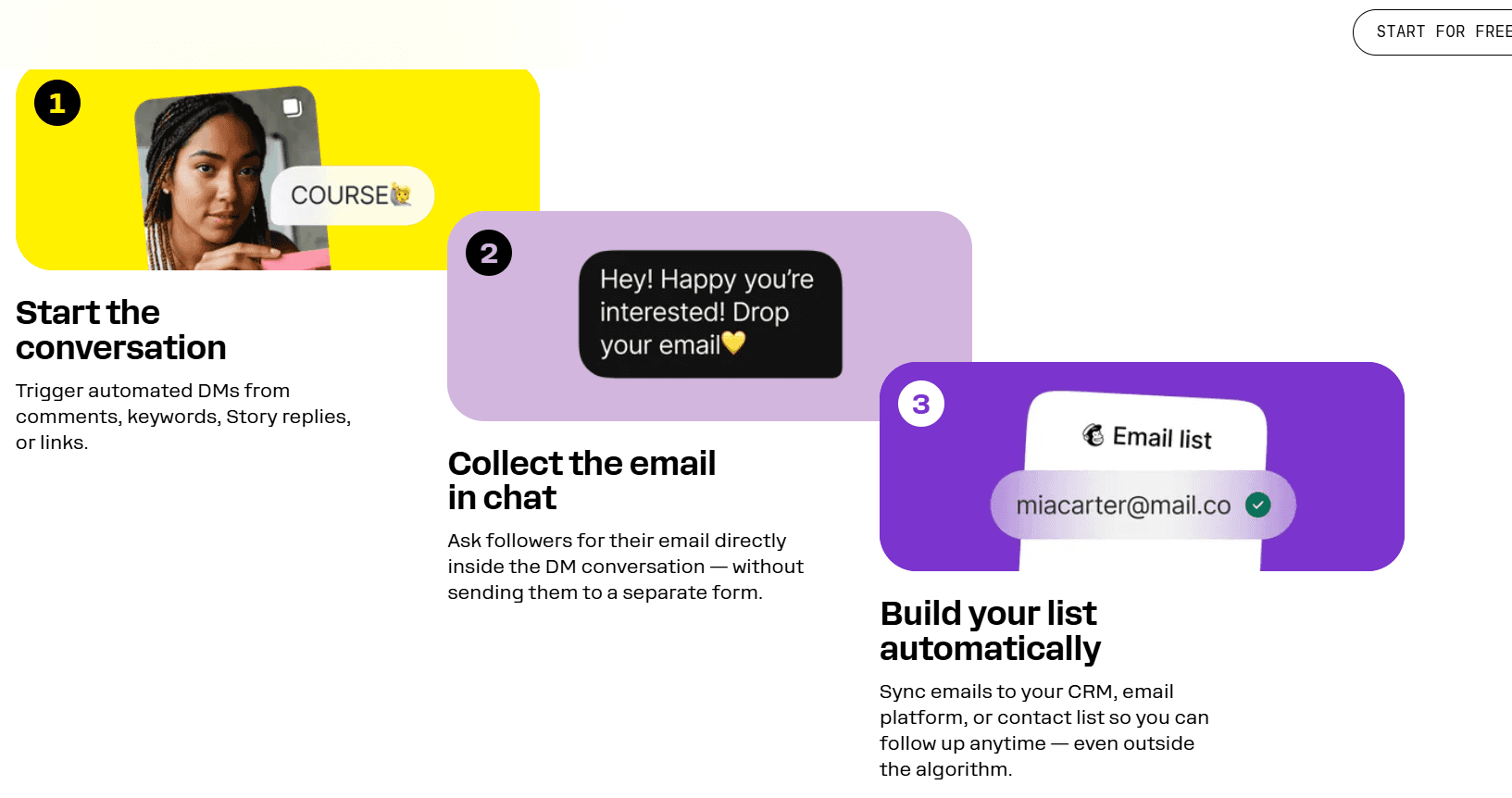
Turn comments, story replies, and DMs into automated lead-capture flows with database-ready records — no code required.
Start free →Keep reading
 Multichannel Scheduling
Juggling Multiple Social Platforms Without Dropping Your Best Content
If your week disappears into posting tasks, your system is broken, not your effort.
 Multichannel Scheduling
Why Manual Posting Does Not Scale Past Your First Growth Stage
If growth depends on more tabs and more reminders, you do not have a scalable system.
 Social Media Operations
The Hidden Cost of Switching Between Social Apps All Day
The cost of app-switching is not obvious on a timesheet, but it shows up in weaker output.