The Hidden Cost of Switching Between Social Apps All Day
Constantly jumping between social apps creates invisible productivity loss. Understand the switching tax and how centralized scheduling protects focus.
Most teams can estimate how long posting takes, but very few account for the switching tax between platforms. Open Instagram, then LinkedIn, then X, then TikTok, then analytics dashboards, then your content doc. Every jump resets context and increases decision latency.
This friction is subtle enough to ignore and large enough to hurt performance. As we discuss in `social-media-tab-overload-creators`, the issue is not just screen clutter. It is the cognitive recovery time required after each interruption, multiplied dozens of times per day.
What context switching does to publishing quality
When attention is fragmented, teams default to safe, repetitive copy because deeper thinking feels expensive. Hooks become generic, calls to action blur together, and platform nuance fades. You still publish, but the work loses sharpness because nobody has sustained focus.
Switching also increases micro-errors: wrong links, stale hashtags, duplicated captions, and missed tags. These seem small, yet they erode trust and performance. In many cases, the quality dip comes from fragmented execution, not weak creative direction.
- Lower-quality hooks from shallow attention.
- More operational mistakes in repetitive tasks.
- Reduced experimentation due to decision fatigue.
Why teams underestimate this cost
Switching overhead rarely appears in dashboards. Analytics tools track impressions and clicks, not cognitive drain. Because nobody sees a direct line item for lost focus, leaders assume the process is acceptable as long as posts go live on time.
By the time underperformance is visible, the team has already normalized an inefficient rhythm. This is closely related to `social-media-manager-burnout-manual-posting`, where invisible operational stress accumulates until people and output both degrade.
How to lower switching overhead without losing control
Consolidate planning, drafting, and scheduling in one workflow, then reserve platform-native time for high-value tasks like community engagement and comments. This preserves channel authenticity while eliminating repetitive back-and-forth for basic publishing.
Using DM IQ multichannel scheduler, teams can prepare platform-specific variants in a single command center and publish at planned times. Less jumping means more sustained attention, better copy quality, and fewer preventable mistakes.
Key takeaways
- 01Frequent app switching creates measurable quality and productivity loss.
- 02Most teams miss this cost because it is not captured in standard dashboards.
- 03Centralized scheduling reduces switching tax while keeping channel nuance.
Frequently asked questions
Is some app switching unavoidable in social media work?
Yes, especially for engagement and moderation. The goal is not zero switching, but removing repetitive publishing switches that do not add strategic value.
How quickly can teams see benefits from reducing switching?
Often within one or two weeks. You usually notice faster campaign setup, fewer errors, and improved creative consistency as focus blocks become more stable.
Put this into practice with DM IQ.
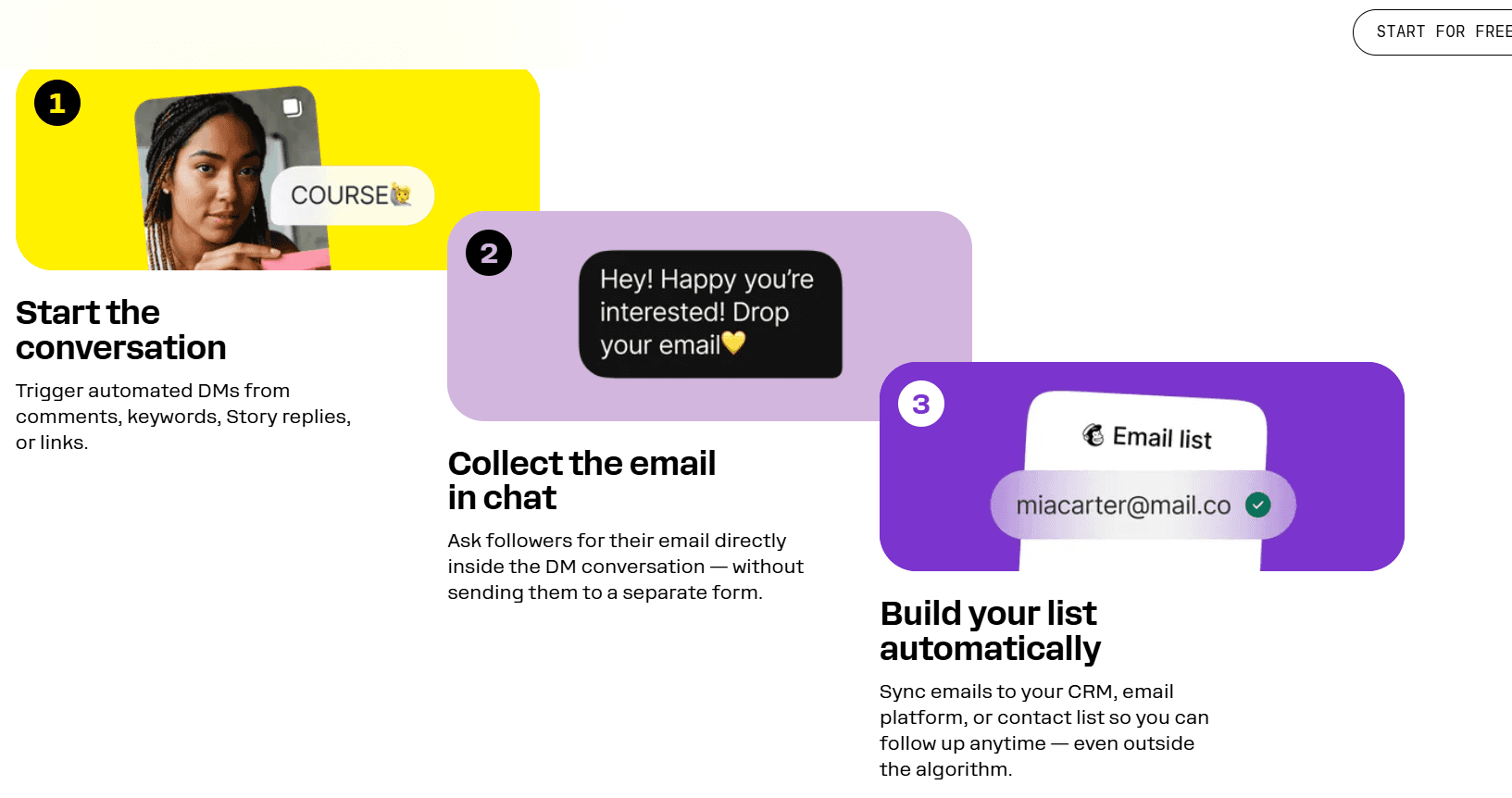
Turn comments, story replies, and DMs into automated lead-capture flows with database-ready records — no code required.
Start free →Keep reading
 Social Media Operations
Social Media Manager Burnout from Manual Posting Is an Ops Problem
Your social manager is not overwhelmed by content ideas, they are overwhelmed by execution friction.
 Multichannel Scheduling
How Context Switching Quietly Kills Content Output
You do not need more ideas. You need longer stretches of uninterrupted execution.
 Social Media Operations
Why Brand Inconsistency Across Channels Usually Starts in Operations
If your voice changes by platform, your workflow may be the root cause.