Never Miss a Post Again: Build a Content Queue That Holds Under Pressure
Design a resilient social content queue that prevents missed posts, supports multichannel campaigns, and reduces daily publishing stress for teams and creators.
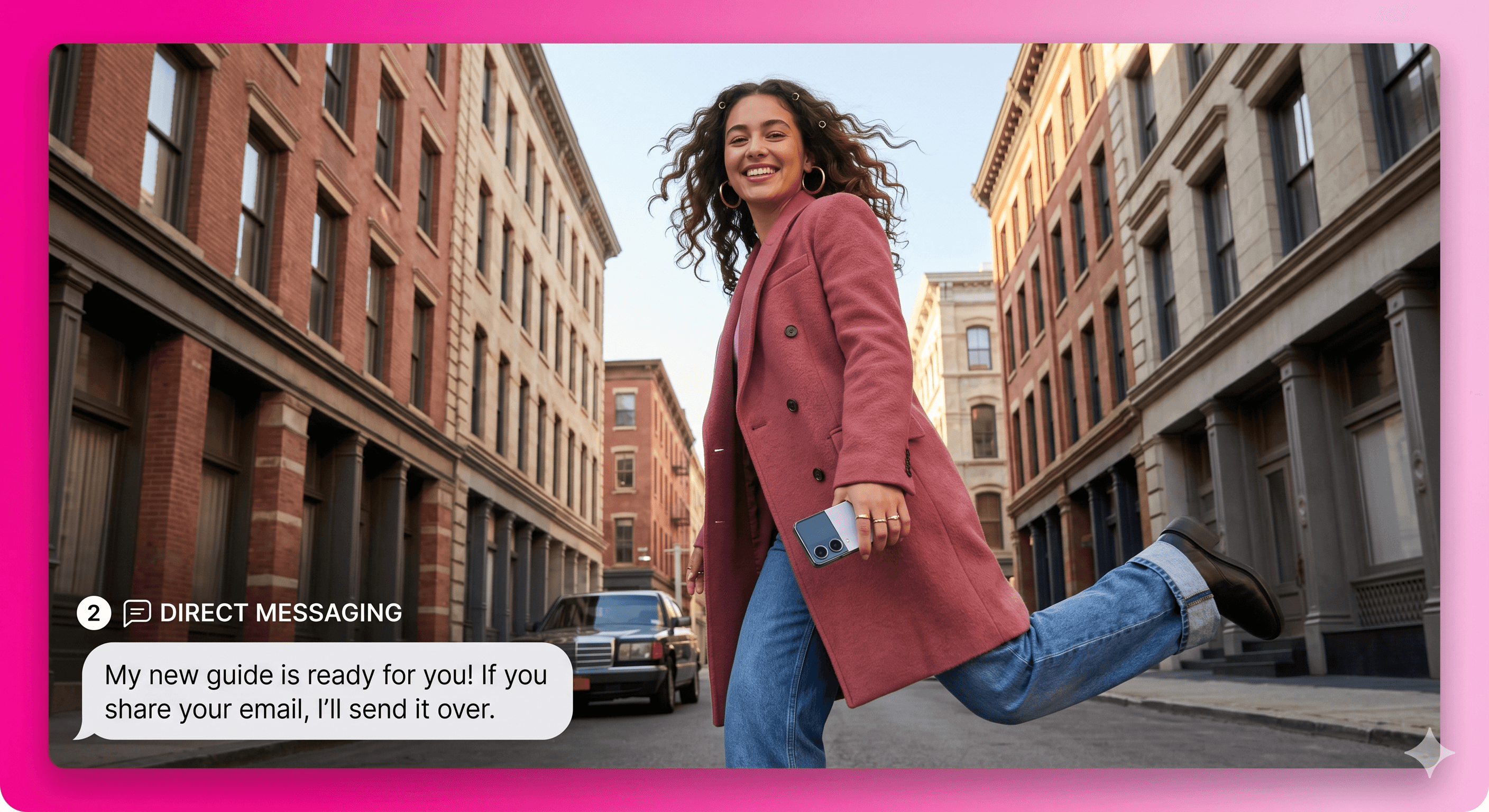
When teams miss posts, they often blame discipline. The real issue is usually structural. Without a durable queue, publishing depends on daily memory, last-minute approvals, and manual platform work. That setup fails under normal business pressure, especially during launches or high-volume periods.
A queue-first model changes the game. DM IQ helps teams maintain multichannel queues with enough depth to absorb disruptions while keeping campaigns on track. If you need to quantify why this matters, pair this article with [manual vs scheduler ROI](/blog/scheduler-vs-manual-posting-roi).
Queue depth is your consistency insurance
Think of queue depth as operational runway. If your queue has only one or two ready posts, a single delay can break cadence. If your queue holds two to four weeks of prepared content per channel, your system can handle approvals, asset delays, and urgent business interruptions.
Depth targets should vary by content type. Evergreen content can be queued further ahead, while campaign and trend content should remain closer to publish date. The mix gives both stability and relevance.
Teams that track queue depth weekly usually improve consistency faster than teams that focus only on engagement metrics.
Separate queues by intent, not by team preference
A common mistake is one giant queue where everything competes for the same slots. This causes strategic drift and campaign collisions. Instead, separate queues by publishing intent: evergreen education, campaign promotion, community engagement, and reactive opportunities.
Intent-based queues make prioritization clearer. During busy weeks, you can protect mission-critical campaigns while keeping baseline education content active. DM IQ supports this structure with centralized visibility so teams can rebalance before bottlenecks become failures.
This approach also simplifies reporting because you can evaluate outcomes by queue type rather than by random post chronology.
- Evergreen queue: foundational, reusable, trust-building content.
- Campaign queue: time-sensitive launch and offer messaging.
- Community queue: audience interaction and relationship content.
- Reactive queue: timely responses to trends and live events.
Protect publish windows with upstream SLAs
Most missed posts happen long before publish time. Drafts arrive late, approvals are unclear, or assets are incomplete. Set service-level expectations for each upstream step: draft readiness, review turnaround, and final sign-off deadlines tied to scheduled publish windows.
When SLAs are visible in your scheduling workflow, teams catch risk earlier. A queue that looks healthy on paper can still fail if upstream work is unstable. Reliability requires both content inventory and process discipline.
If your team is adopting long-range planning, [content ops for two-year schedules](/blog/content-ops-two-year-schedule) shows how these SLAs scale over time.
Use fallback content to absorb inevitable disruption
No queue is perfect. Market events, product delays, and team availability changes will happen. Keep a bank of approved fallback posts for each channel so sudden disruptions do not force silence or low-quality emergency content.
Fallback content should be evergreen, on-brand, and easy to deploy. Rotate and refresh regularly so it remains useful. DM IQ makes this practical by letting teams maintain reserve queues without cluttering active campaign timelines.
With fallback design in place, missed posts become rare exceptions rather than recurring operational symptoms.
Key takeaways
- 01Queue depth and intent-based segmentation are core to reliable publishing.
- 02Upstream SLAs prevent most missed posts before scheduling day arrives.
- 03DM IQ supports resilient multichannel queues with fallback capacity built in.
Frequently asked questions
What queue depth should we target?
A common baseline is two to four weeks of ready content per channel, with deeper reserves for evergreen content and shorter windows for time-sensitive campaigns.
Can one person maintain a strong queue system?
Yes, if cadence is realistic and workflow is simple. Solo creators still benefit from intent-based queues and fallback content banks.
How often should queues be audited?
Weekly audits are ideal for operational control, with monthly reviews for strategic balance and content mix quality.
Put this into practice with DM IQ.
Turn comments, story replies, and DMs into automated lead-capture flows with database-ready records — no code required.
Start free →Keep reading
 Multichannel Scheduling
Scheduler vs Manual Posting ROI: The Real Cost of Staying Reactive
Manual posting feels free until you measure missed time, missed slots, and missed momentum.
 Multichannel Scheduling
How to Plan Social Quarters With a Multichannel Scheduler
Quarterly planning is where strategy becomes operational and consistency becomes realistic.
 Multichannel Scheduling
Social Scheduling Tools for Creators: What to Compare Before You Commit
Creators should compare operating fit, not feature checklists, when choosing a scheduler.