Social Media Manager Burnout from Manual Posting Is an Ops Problem
Burnout in social teams often comes from repetitive manual publishing, not weak motivation. See the operational causes and how to reduce day-to-day pressure.

Burnout in social teams usually gets labeled as a personal resilience issue. In reality, it is often an operational design issue. When one person is responsible for writing captions, collecting approvals, formatting assets, publishing across channels, and monitoring comments, they are effectively running a mini newsroom with consumer apps.
That model breaks people before it breaks dashboards. Performance might look fine for a quarter, but the cost is decision fatigue, quality dips, and eventual turnover. As discussed in `when-each-platform-feels-like-a-job`, every extra platform adds emotional overhead, not just task count.
How repetitive publishing creates cognitive exhaustion
Most burnout comes from repeated low-leverage actions: copy, paste, upload, crop, check links, rewrite hook, repeat. None of these tasks are hard individually, but together they consume attention that should be used for creative judgment and audience understanding.
By afternoon, even small decisions feel heavy. Should this caption open with a stat or a question? Is this the right thumbnail? The team is not out of ideas, it is out of clean cognitive bandwidth. That is a systems failure, not a motivation failure.
Why heroic workflows hide risk until it is too late
Many teams run on heroics. One experienced manager remembers posting windows, tracks campaign status in their head, and catches errors manually. It works until they take leave, get sick, or simply hit capacity. Then the cracks show immediately.
This dependency risk is similar to what we outline in `social-media-tab-overload-creators`: the more steps that live in one person’s memory, the less reliable your operation becomes. Sustainable performance requires documented flows and tooling support, not individual heroics.
- Single-person dependency raises continuity risk.
- High context load increases mistakes during busy launches.
- Manual rework steals time from audience engagement and analysis.
Reducing burnout with structure, not slogans
Start by redesigning the week around batches: planning blocks, production blocks, and scheduled publishing windows. This creates predictable effort patterns and reduces constant interruption. Even simple structure can lower stress before any tooling change.
Then centralize execution using DM IQ multichannel scheduler so managers can queue platform-specific posts from one workspace. This does not remove creative ownership. It removes repetitive mechanics, which is exactly where burnout accumulates fastest.
Key takeaways
- 01Social burnout is usually an operations issue disguised as a people issue.
- 02Repetitive publishing tasks drain judgment and creative energy over time.
- 03Batching plus centralized scheduling reduces load without sacrificing quality.
Frequently asked questions
Can a small team prevent burnout without hiring immediately?
Yes. Start with clearer weekly structure and remove repetitive manual publishing steps. Better process design often creates capacity before additional hires are needed.
How do we know burnout risk is growing?
Watch for missed windows, rising correction loops, slower approvals, and reduced experimentation. These are early operational symptoms long before someone explicitly says they are burned out.
Put this into practice with DM IQ.
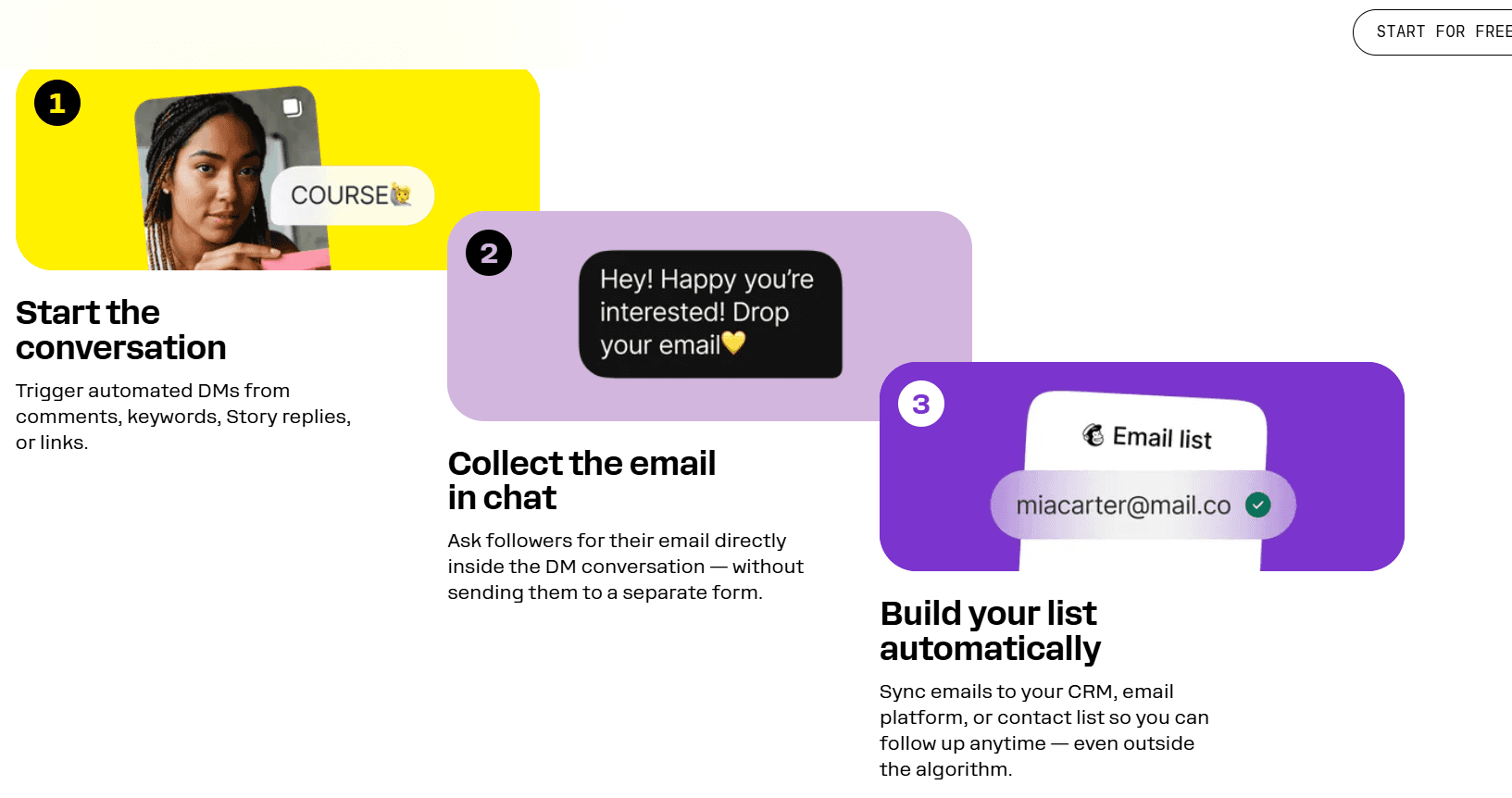
Turn comments, story replies, and DMs into automated lead-capture flows with database-ready records — no code required.
Start free →Keep reading
 Multichannel Scheduling
Why Manual Posting Does Not Scale Past Your First Growth Stage
If growth depends on more tabs and more reminders, you do not have a scalable system.
 Social Media Operations
The Hidden Cost of Switching Between Social Apps All Day
The cost of app-switching is not obvious on a timesheet, but it shows up in weaker output.
 Social Media Operations
Why Brand Inconsistency Across Channels Usually Starts in Operations
If your voice changes by platform, your workflow may be the root cause.